How To Store Peptides After Reconstitution For Maximum Strength
Customer Overview Will Certainly
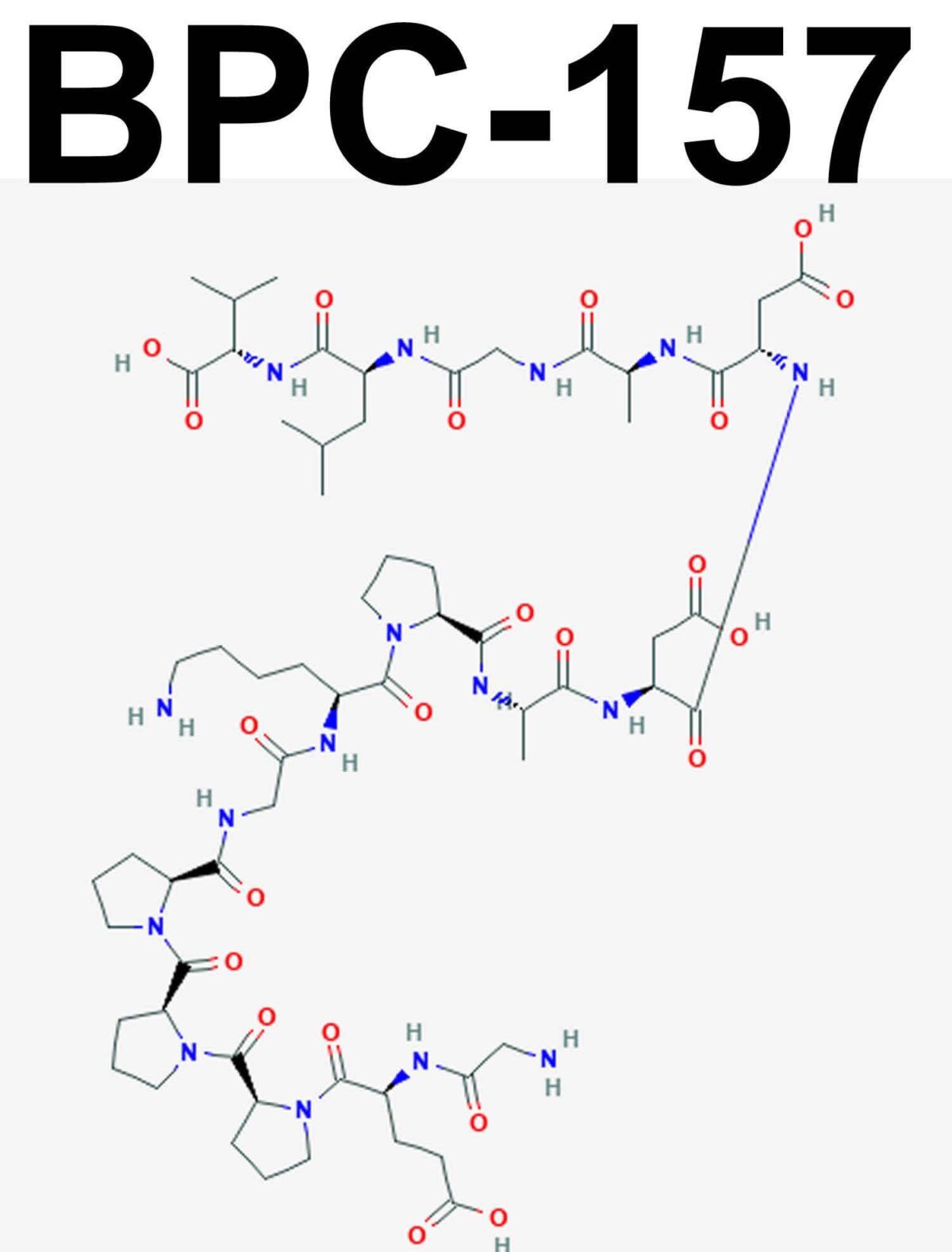
For critical research, throw out and reconstitute a fresh vial. For less vital applications, you may continue but should anticipate decreased results. Reduce the remaining service life quote by a number of days to make up the temperature level direct exposure. Scientists usually use BPC-157 for injury healing protocols that target certain tissues. Whether you are researching its results on tendon repair service, joint pain, or gut wellness, regular strength throughout the procedure relies on correct storage. Many BPC-157 procedures combine it with TB-500 for boosted outcomes, which implies you might be saving both peptides simultaneously and require to manage both rack lives very carefully.Oxidation is one of the most common destruction path for peptides in service. It occurs when oxygen responds with susceptible amino acid side chains, changing their chemical framework. The amino acids most prone to oxidation are methionine, cysteine, tryptophan, histidine, and tyrosine. This 28-day window is one of the most crucial numbers to keep in mind in peptide storage. It establishes an external border for for how long your reconstituted peptide can safely remain in multi-dose use. Some peptides degrade chemically before the 28-day mark, making the peptide itself the limiting variable instead of the bacteriostatic water.
Reconstituting Way Too Many Vials At Once
- Strategic planning aids extract maximum worth from your chilled peptides.
- This extensive timeline makes correct storage and aliquoting especially essential.
- Every vial needs to have the peptide name, concentration, reconstitution day, and anticipated discard date clearly composed on it.
- Correctly preserved peptides ought to dissolve easily in suitable solvents, creating a clear, anemic to slightly yellow option.
- Shop your reconstituted vial in its initial box or an opaque container.
Establish calendar suggestions for peptides coming close to expiry. Consider discarding if visual modifications recommend considerable destruction, particularly for applications where peptide stability is critical. The price of substitute is frequently less than the Trusted Peptide Vendor price of jeopardized study information. Absolutely throw out if the peptide reveals clear signs of contamination such as cloudiness, smell, or noticeable fragments. Bacterial or fungal contamination positions genuine safety and security risks and provides the peptide unsuitable for any application.
How Long Do Peptides Last? (Storage Space And Managing Guide)
May your peptides stay potent, Quality Assurance your storage space stay optimum, and your protocols remain effective. Brownish-yellow glass is preferable since it obstructs UV and noticeable light that trigger photodegradation. If your vials are clear glass, cover them in light weight aluminum foil to attain the same defense. Either strategy works as long as regular light barring is maintained. For researchers managing numerous compounds, an arranged inventory system protects against waste from forgotten or expired stock.
Communications With Shot Tools
In a real-world setting, a research including 115 grownups with excessive weight but without diabetes treated with tirzepatide revealed a mean weight decrease of 12.9% at 6 months. Storing reconstituted peptides at space temperature is usually not advised for any type of substantial period because of accelerated degradation. UV and noticeable light can break down peptide bonds gradually with photodegradation. Shop your reconstituted vial in its initial box or an opaque container.
Bacteriostatic water (BW) is clean and sterile water for injection consisting of 0.9% benzyl alcohol as a bacteriostatic preservative. This chemical protects against microbial development in the reconstituted service, prolonging its steady storage life to approximately 28 days when kept at 2-- 8 ° C. Variables affecting lyophilized storage space duration consist of initial purity, vial seal integrity, and specific amino acid sequence. Peptides having oxidation-sensitive residues like methionine or cysteine might have somewhat shorter cooled shelf lives. Analytical screening can confirm potency for important applications. A lot of lyophilized peptides maintain more than 90% potency for months under proper refrigeration. Usage clean and sterile buffers at a pH of 5 to 6 when liquifying peptides to mitigate this problem. Furthermore, repeated freeze-thaw cycles can enhance the peptide's susceptibility to deterioration. Contamination, oxidation, and inadequate storage (to name a few aspects) can swiftly cause their degradation. If peptides ever before had a major downside, it's that they are notoriously conscious their environment. Specific peptides might be infused closer to an injury site when suggested by a supplier. Constantly follow your suggested method before making adjustments.